Hicksville's LIRR station is one of the busiest transfer points on the system, and that transit volume shapes the retail and multifamily market along Broadway more than anything else in town. Owners exchanging property here are usually weighing transit-adjacent retail against quieter industrial parcels further from the station, and the two rarely compete for the same buyer.
A Transit-Driven Retail Corridor
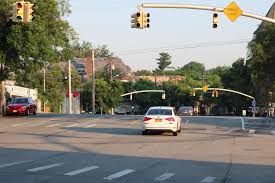
Broadway, officially NY-107, carries Hicksville's dense retail base, including a well-established Indian-American business district with restaurants, grocers, and service retail that draws customers from across Nassau and western Suffolk. That customer draw keeps vacancy low along the core blocks even when broader retail conditions soften elsewhere on the Island.
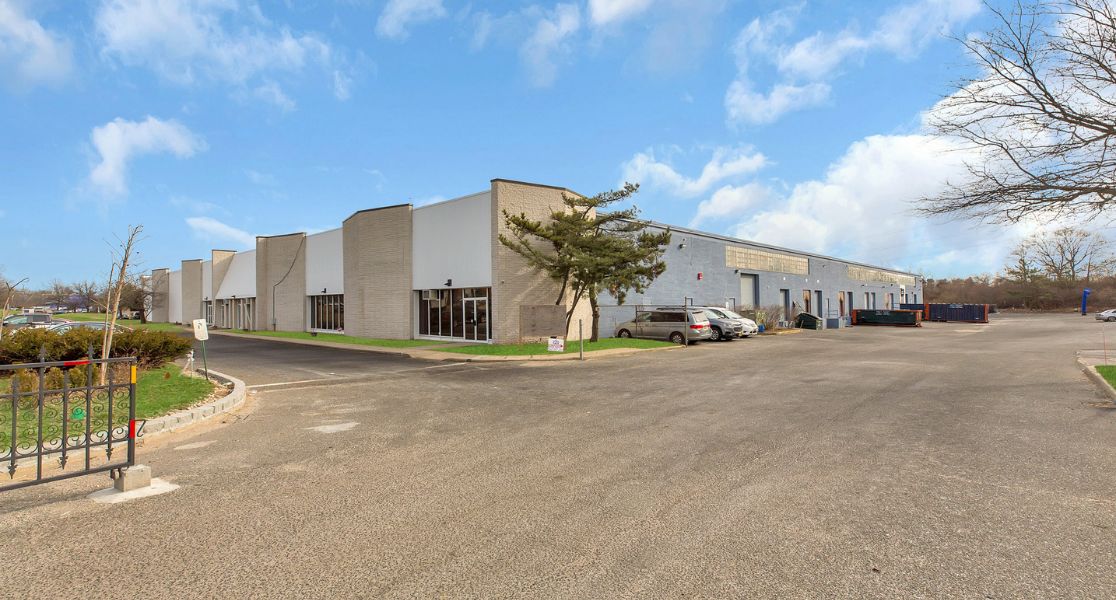
Away from Broadway, Duffy Avenue and Newbridge Road hold light industrial and flex buildings that trade on different terms entirely, longer single-tenant leases, less foot traffic dependency, and simpler underwriting for a 1031 replacement file. Old Country Road nearby adds a smaller pocket of professional office space.
Hicksville's Broadway retail district also functions as a regional draw rather than a purely local one, pulling customers from Bethpage, Levittown, and Plainview on weekends, which is part of why vacancy on the core blocks has stayed low even during periods when nearby corridors have softened.
Storefront depth along Broadway varies a lot from block to block, some buildings carry a single narrow retail bay, others were built with a second-floor office or apartment above, and that mix matters for underwriting since a mixed-use building brings a second income stream that a pure retail storefront doesn't have.
Property Types
A Hicksville exchange candidate typically comes from one of these categories:
- retail and restaurant space along Broadway
- light industrial and flex buildings near Duffy Avenue
- multifamily within walking distance of the LIRR station
- mixed-use buildings with ground-floor retail
- office space near Old Country Road
The 200% Rule and Corridor Depth
Broadway alone has enough retail turnover that owners identifying replacement property here often list more than three candidates, comparing a few storefronts against each other before committing. That makes the 200% rule a common fit, provided the combined value of everything identified stays under twice your sale price.
Whichever properties make the list, get current lease abstracts for each one before day 45. A qualified intermediary can prepare the identification notice, but they need the underlying lease terms from you or your broker to do it accurately and on time.
Financing Hicksville Retail
Lenders underwriting Broadway retail want to see foot traffic and sales data specific to the block, not the corridor as a whole, since performance varies noticeably from one end of Broadway to the other. Build that into your due diligence timeline before you assume a standard commercial retail underwrite will apply.
Tenant credit also matters more here than in a purely residential-serving corridor, since several Broadway businesses are independently owned rather than national chains. A lender will want a longer look at an independent operator's financials than they would for a franchise with a recognizable brand behind it.
None of this makes Hicksville retail a harder exchange, just a different one from a suburban strip center deal, and owners who come in expecting a straightforward national-tenant underwrite sometimes need an extra week or two to adjust their diligence approach.
Why the Transit Hub Changes the Underwriting
A Hicksville station transfer point moves a meaningful volume of daily riders between branches, and that volume supports retail and multifamily demand within an easy walk of the platform in a way that doesn't extend much past a half-mile radius. Properties just outside that radius compete on car access instead.
For multifamily specifically, that means two buildings a short drive apart can carry noticeably different rents once actual walking distance to the station is factored in, something worth confirming on foot rather than trusting a map's straight-line distance.
Parking is a second factor that interacts with transit proximity in Hicksville. A retail building close to the station with no dedicated parking can still perform well if it's on a walkable block, while the same building set back from Broadway without parking can struggle, since it loses the walk-up traffic without gaining the convenience of a parking lot.
Common 1031 Exchange Questions
Why is Hicksville's Broadway retail different from other Nassau corridors?
The established Indian-American business district draws customers from a wide radius, which keeps vacancy low along the core blocks compared to more generic strip retail elsewhere in the county, especially on weekends.
Is industrial property available in Hicksville outside the retail corridor?
Yes, Duffy Avenue and Newbridge Road hold light industrial and flex buildings that trade on different lease terms than Broadway retail and see less foot-traffic-driven pricing overall.
How many properties should you identify for a Hicksville exchange?
Broadway's retail depth often supports identifying several candidates, which is why the 200% rule comes up more than the three-property rule here, provided the combined value stays within limits.
Does proximity to the LIRR station affect multifamily pricing?
Yes, buildings within easy walking distance of the transfer station tend to hold value better than those requiring a longer walk or a car, even if the straight-line distance looks similar on a map.
What should lenders see before financing Hicksville retail?
Block-specific sales and foot traffic data, since performance can differ meaningfully within just a few blocks of Broadway, and a generic corridor average won't satisfy most underwriters.