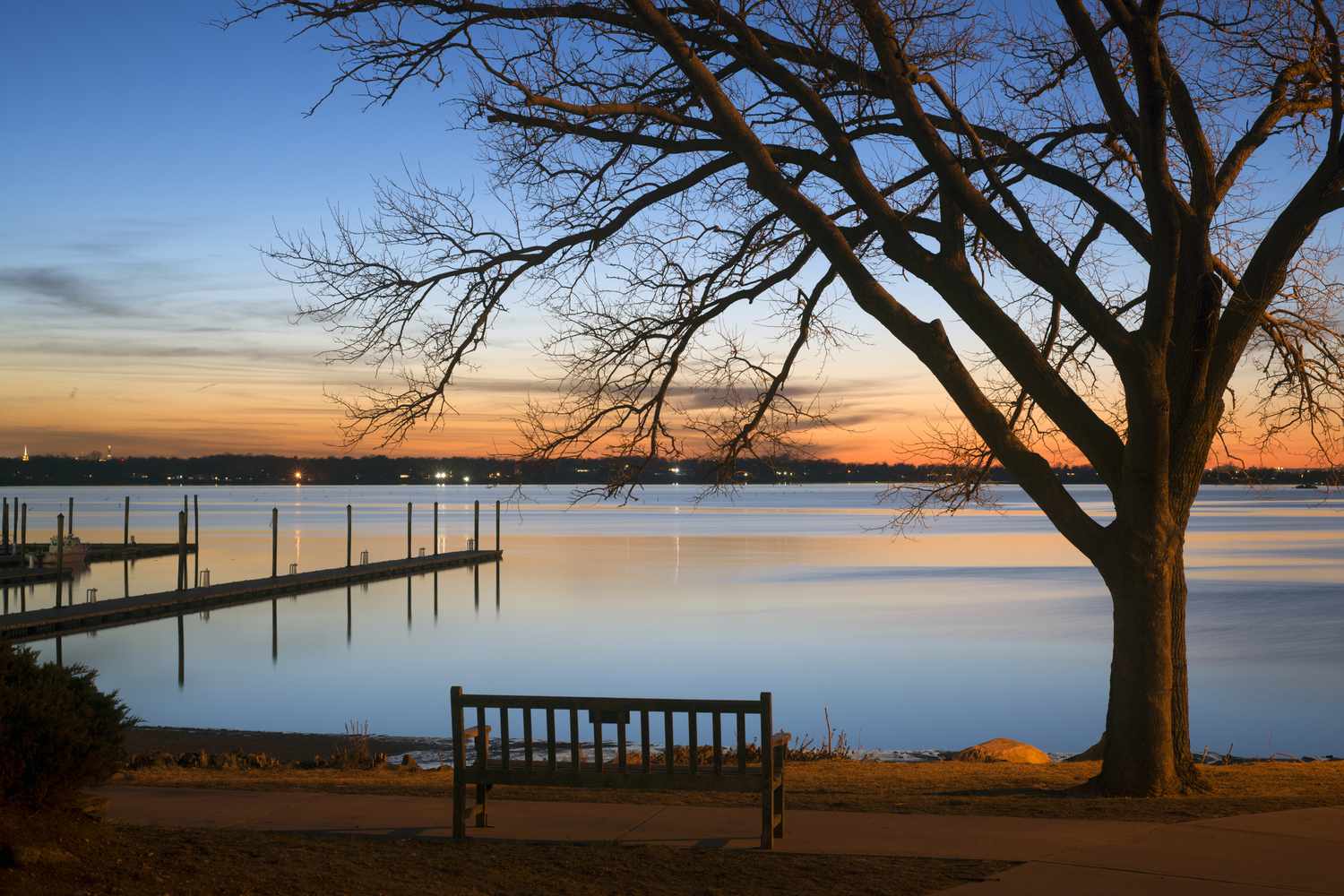
Port Washington sits on a peninsula between Manhasset Bay and the LIRR branch line that dead-ends here, and that geography, not a highway interchange, shapes almost every commercial decision in town.
Main Street And The Harbor Together
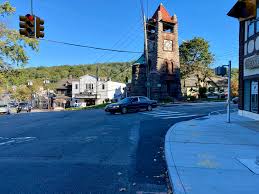
Main Street runs downhill toward the harbor, and the retail mix along it, boutiques, restaurants, a few professional offices, leans on both LIRR commuters and boat traffic out of the marinas on Manhasset Bay.
Parking is genuinely tight here; a building's dedicated spaces matter more to leasing than they would in a car-oriented corridor further inland, so confirm assigned spots before you value the property on comparable rents alone, and ask how many spaces are shared versus deeded to a specific unit before you finalize any offer or sign a purchase contract.
The village also skews toward short, walkable retail runs rather than a stretched-out corridor, which means a building's exact position, uphill or right at the harbor, changes its foot traffic more than it would on a longer commercial strip. Walk the block at different times of day, on both a weekday and a weekend, before you settle on a rent comparable pulled from a different part of the village.
Harbor Links And The Former Sand Mines
Much of the flat land on the peninsula's north side was sand-mining pits before it became Harbor Links golf course and surrounding town-owned open space.
That history means some nearby parcels carry old industrial use questions worth checking in a Phase I before you rely on them as clean replacement property. It's a real diligence line item here, not boilerplate.
The same former mining land now supports Harbor Links, a town-owned golf course, so a parcel's proximity to that reclaimed ground is worth flagging for your environmental consultant even when the surface use looks entirely ordinary today.
What Actually Trades In Port Washington
The commercial stock on the peninsula is narrow but consistent.
- Small retail storefronts on Main Street
- Professional office space near the LIRR station
- Marina and waterfront commercial property
- Small multifamily buildings within walking distance of the village
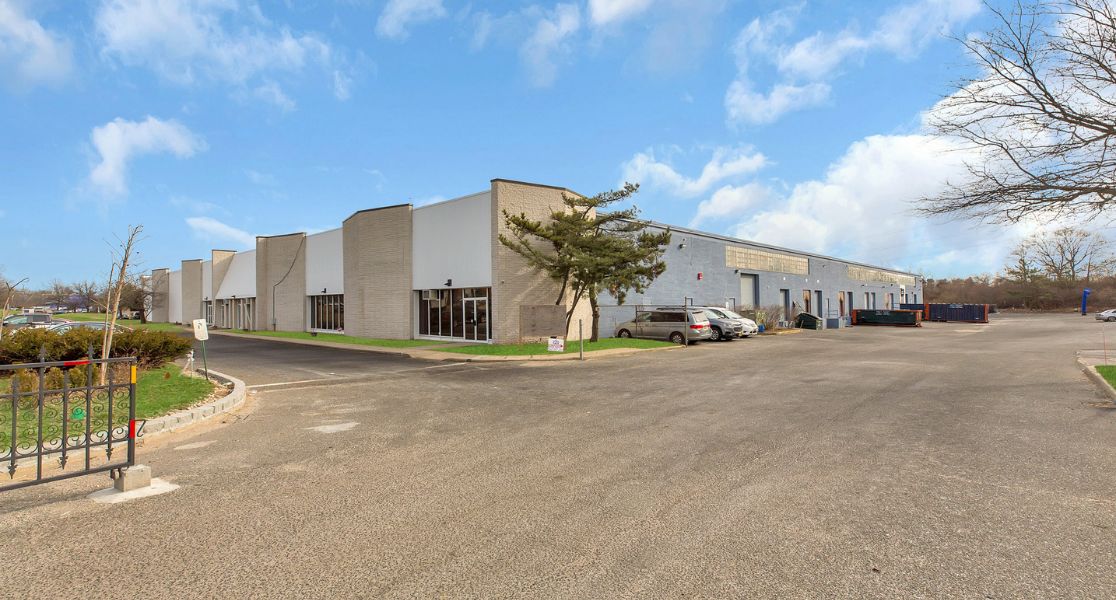
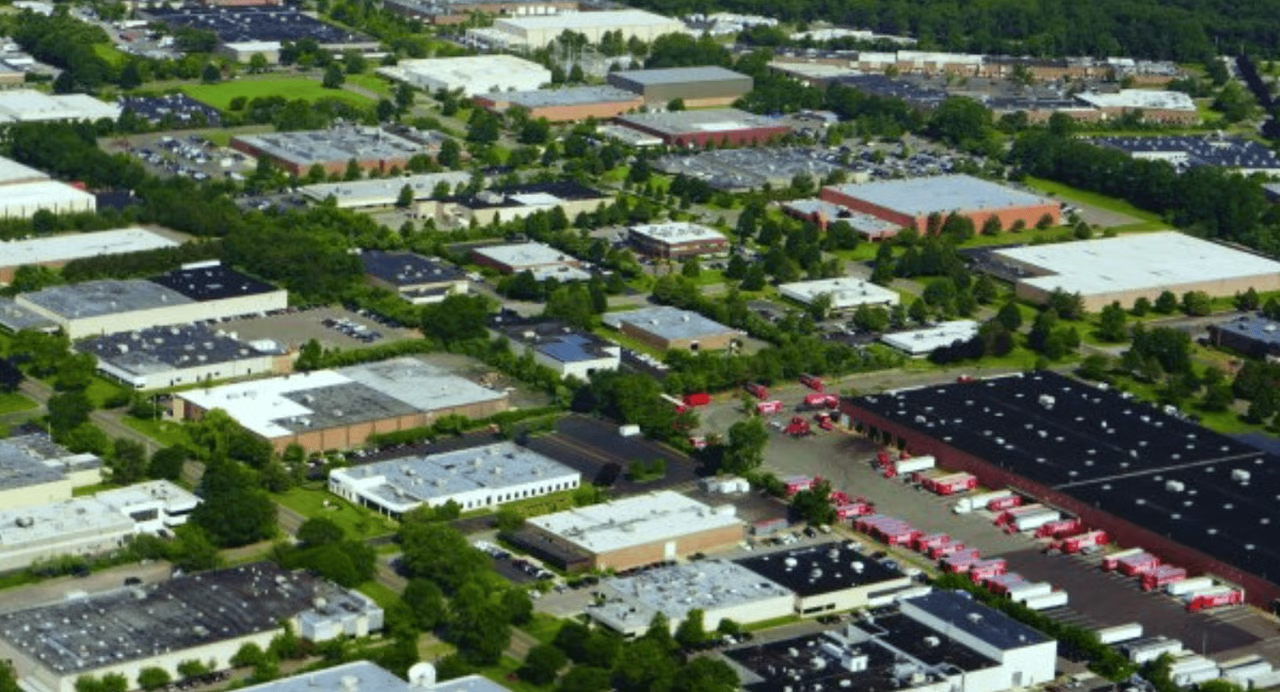
- A limited supply of light industrial near the peninsula's northern edge
Because the total pool is small, the same handful of brokers and owners tend to know about anything before it's formally listed. Building a relationship with someone who actually works this peninsula, rather than a generic countywide search, is often the difference between finding a real candidate and missing the window entirely.
Scarcity Compresses The 45-Day Window
There simply isn't much commercial inventory on this peninsula, which means the property you want may not come up for sale in your 45-day window at all.
If your first choice is a Port Washington building, line up a second and third identification off the peninsula, in Roslyn or Great Neck, so a thin local market doesn't force you into a rushed decision you'll regret once the closing dust settles and the identification deadline has already passed.
Flood Zone And Access Questions
Waterfront and low-lying Port Washington parcels carry real flood insurance costs, and access to some of them narrows to a single road during storm events.
Neither issue kills a deal, but both belong in your lender conversation early, since flood zone status affects loan terms and insurance premiums enough to change your replacement math.
We've seen buyers skip this step because the property looked fine on a dry afternoon walkthrough, only to find out at the lender stage that flood insurance would add thousands of dollars a year to their carrying cost. Order the flood determination before you finalize your identification list, not after, and ask the seller directly whether they've ever filed a flood insurance claim on the property or made a storm-related repair to the foundation or first floor.
Common 1031 Exchange Questions
Why is there so little commercial inventory in Port Washington?
It's a peninsula with limited buildable land, most of it already built out with retail, residential, or marina use. That scarcity is exactly why identifying backup properties elsewhere on the North Shore matters if you're set on this submarket.
Do you need to worry about old sand mining sites?
Only if your target parcel is near the former mining land around Harbor Links. A standard Phase I environmental review will flag it if there's a real concern; it's a normal diligence step, not a reason to avoid the area altogether.
How does flood zone status affect a Port Washington exchange?
It affects your lender's terms and your insurance costs, both of which change your replacement property math. Get a flood determination early in your diligence, before you commit identification slots to a waterfront parcel.
What if nothing suitable is listed in Port Washington during your 45 days?
Identify backups in nearby North Shore submarkets like Roslyn or Great Neck under the three-property rule. A thin local market is a good reason to widen your search radius rather than rush a purchase you haven't fully diligenced.
Why does building position matter so much within the village?
Port Washington's retail runs a short, walkable stretch downhill toward the harbor rather than a long commercial corridor, so a building's exact spot changes its foot traffic noticeably. Walk the block at different times of day rather than relying on a single rent comparable from elsewhere in the village.