Garden City is a planned village with an architectural review board that has final say over building appearance, which shapes what commercial property looks like along Franklin Avenue and Seventh Street. That review layer is worth understanding before you commit to a Garden City property as a 1031 replacement, since it affects timing in ways a standard title search won't show.
Village Character and Commercial Stock
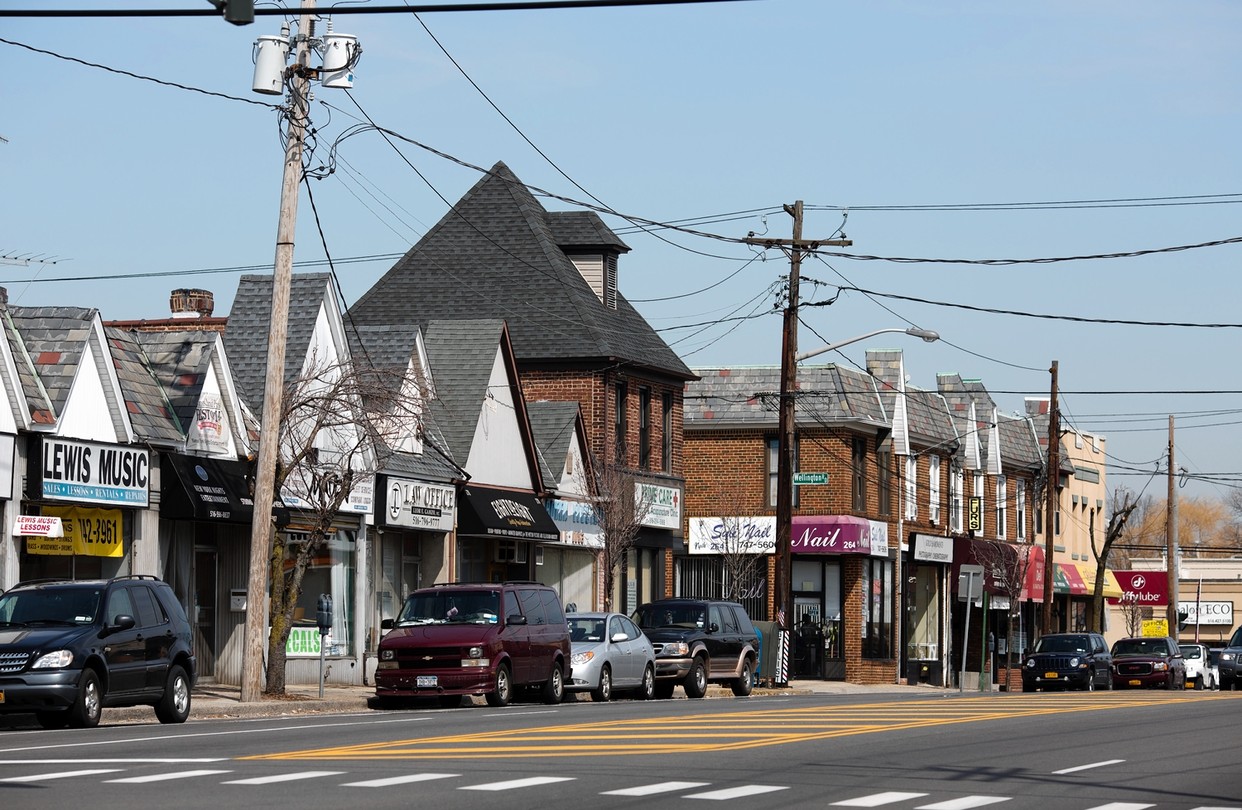
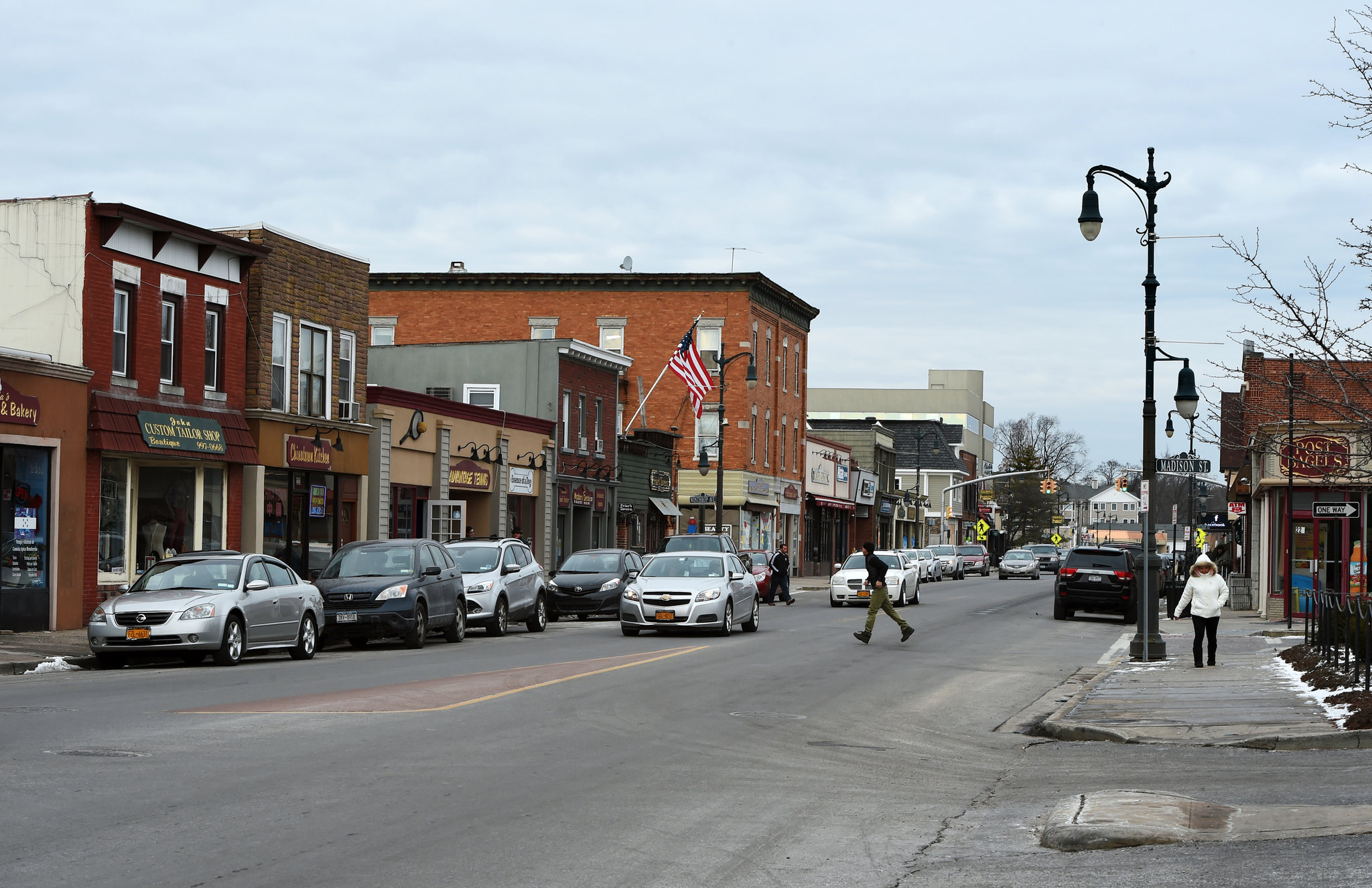
Franklin Avenue and Seventh Street carry Garden City's boutique retail and professional office inventory, much of it in low-rise buildings that predate current zoning and would be difficult to replicate under today's architectural standards. Office space near the Stewart Avenue corridor and the Roosevelt Field retail area on the village's edge rounds out the rest of the commercial base, and that edge inventory trades on more conventional terms than the village core.
Adelphi University anchors steady rental demand nearby, and the LIRR's Garden City station on the Hempstead branch keeps a small band of mixed-use and multifamily property in play for investors who want walkable transit access. The village's residential character also means commercial parcels rarely come up for sale in large numbers at once.
The Cathedral of the Incarnation and the surrounding tree-lined residential blocks give Garden City a distinct institutional feel compared to nearby corridor towns, and that character is part of why the village's architectural review board holds so much sway over what a commercial building can look like once it changes hands.
Parking requirements in the village core are stricter than in most surrounding Nassau towns, and a Garden City replacement candidate that looks undersized on paper for its footprint may simply be complying with a village parking ratio that predates the current tenant. Confirm the actual requirement before assuming a variance is needed.
Property Types
A Garden City exchange candidate usually falls into one of these categories:
- boutique retail on Franklin Avenue or Seventh Street
- professional office near Stewart Avenue
- mixed-use buildings near the LIRR station
- small multifamily properties adjacent to Adelphi University
- retail space bordering the Roosevelt Field corridor
Identification Under Review-Board Constraints
If your replacement candidate needs any exterior work, plan around Garden City's architectural review timeline before you count on closing inside the 180-day exchange period. Review board approvals do not move at 1031 speed, and a qualified intermediary can't do anything to accelerate a village permit process, no matter how tight your own deadline is.
Most Garden City exchanges we've coordinated use the three-property rule. Village inventory is limited enough that owners are usually comparing a Garden City candidate against one or two alternatives in Hempstead or Uniondale rather than assembling a long identified list, and that keeps the paperwork manageable.
Financing Notes
Lenders underwriting Garden City office and retail want current rent rolls and, where relevant, confirmation that any planned improvements have already cleared the village review process. Bring that documentation to the lender conversation early rather than after your identification list is filed, since a pending review board application can make a lender hesitate on final terms.
Comparing Garden City Against Nearby Nassau Markets
Owners who can't find a second or third Garden City candidate inside their price range often look at Uniondale or Hempstead as a backup, both of which sit close enough geographically to keep property management logistics simple even though the zoning and permitting environment is very different from Garden City's.
That comparison also changes the underwriting conversation. A Garden City office building with review-board history behind it can carry a cleaner improvement record than a comparable Uniondale property, which is worth factoring in even if the Uniondale asset looks cheaper on paper.
Property managers who work across both markets note that Garden City tenants tend to renew at a higher rate than tenants in less restrictive neighboring towns, likely because the same review process that slows down a new build-out also discourages tenants from relocating over a minor space issue.
That renewal stability is worth weighing against the slower timeline when you're comparing a Garden City candidate to a faster-moving alternative elsewhere in Nassau County, since a stable long-term tenant can offset a longer initial closing process.
Common 1031 Exchange Questions
Does Garden City's review board affect 1031 timing?
It can. Any exterior changes to a replacement property need village approval, and that process runs independently of the 45-day and 180-day exchange deadlines, so plan for it separately and don't assume it will move quickly.
Is Garden City retail hard to find as a replacement property?
Inventory along Franklin Avenue and Seventh Street turns over slowly, so we often pair a Garden City candidate with backup options in a neighboring Nassau County market like Hempstead or Uniondale.
What role does Adelphi University play in the local market?
It supports steady demand for small multifamily and mixed-use property near campus, which is one reason those buildings trade less often than office or retail space elsewhere in the village.
Can you identify a Roosevelt Field-area property as part of a Garden City exchange?
Yes, properties on the retail corridor bordering the village are a common comparison point for Garden City replacement candidates, and they typically trade on more conventional terms than village-core retail.
Who handles the paperwork if you're comparing Garden City against another Nassau town?
Your qualified intermediary holds the exchange funds and prepares the identification documents regardless of which town the replacement property sits in, so a multi-town comparison doesn't add extra QI steps, only extra diligence on your end.