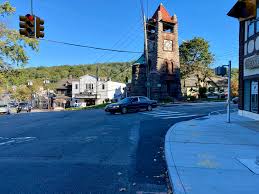
Great Neck is really several incorporated villages on one North Shore peninsula, Great Neck Plaza, Great Neck Estates, Kings Point, and others, each with its own zoning board. An exchange into or out of Great Neck property means confirming which village government actually governs the parcel before you get too far into due diligence.
A Peninsula Split Across Village Lines
Middle Neck Road is the commercial spine that runs through Great Neck Plaza and connects most of the peninsula's retail and office inventory. Property just a few blocks off that corridor can fall under a completely different village's zoning code, which matters if a replacement candidate needs any use change or exterior modification down the line.
The area's Gold Coast history and Long Island Sound waterfront, including the US Merchant Marine Academy at Kings Point, keep land values high and commercial parcels scarce. Most turnover happens in office and retail space along Middle Neck Road rather than in waterfront-adjacent property, which almost never comes up for sale.
Great Neck's estate-era history, the peninsula was a favored North Shore address for early twentieth-century industrialists and is often cited as an inspiration for the fictional West Egg, still shapes buyer expectations today. Even commercial buyers sometimes pay a premium simply for the address, separate from the building's actual income performance.
What's Available
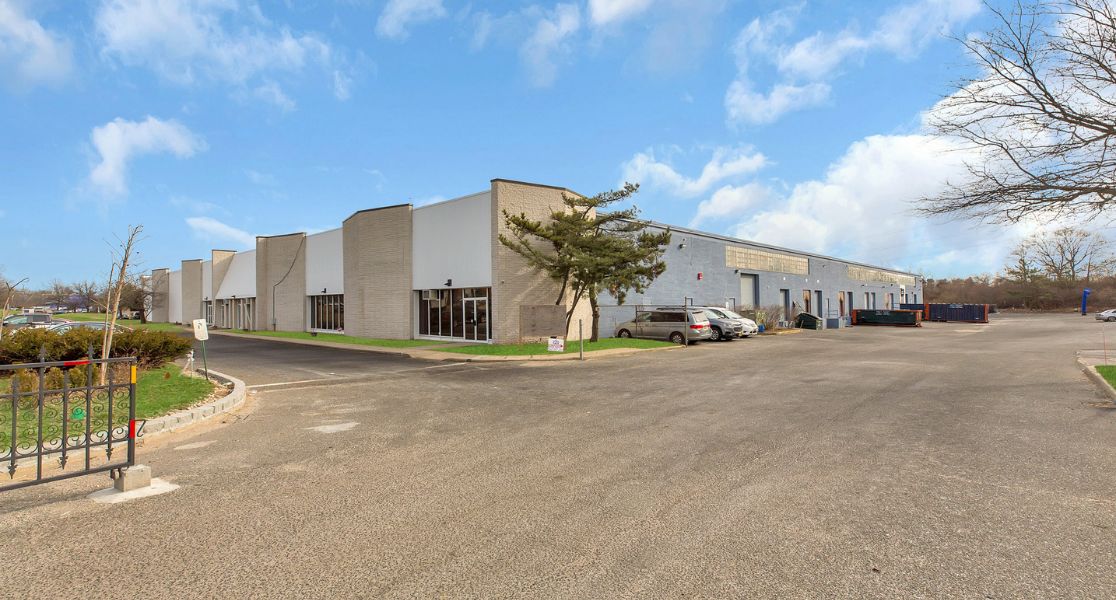
Great Neck's commercial inventory is narrow but steady: retail and restaurant space on Middle Neck Road, medical and professional office buildings nearby, and a handful of small multifamily properties near the LIRR's Great Neck station on the Port Washington branch. Turnover on any single block can be slow enough that owners watch the whole corridor rather than one property.
Restaurant and specialty retail tenants along Middle Neck Road tend to sign longer leases than a typical strip center tenant elsewhere on Long Island, reflecting the difficulty of finding a comparable storefront if a lease isn't renewed. That tenant stability is one reason Middle Neck Road buildings hold value even in a slow retail cycle.
The 200% Rule for Multi-Village Comparisons
Because a Great Neck exchange often means comparing candidates across different village jurisdictions, owners tend to identify more than three properties to keep options open. That pushes the identification toward the 200% rule instead of the three-property rule. A typical Great Neck identified list mixes:
- Middle Neck Road retail
- medical or professional office space
- small multifamily near the LIRR station
- a backup candidate in an adjoining Nassau County market
Boot and Documentation Notes
Sellers moving out of a long-held Great Neck property into a lower-cost replacement should talk to their tax advisor about boot exposure before signing a contract, particularly given how much land values here have appreciated over long holding periods. A price gap that looks manageable on a spreadsheet can still generate taxable boot if it isn't structured correctly.
Your qualified intermediary will need rent rolls, CAM statements, and a copy of the applicable village zoning classification for each identified Great Neck property, since that classification can change block to block on this peninsula and directly affects what a lender will underwrite.
Coordinating Across Multiple Village Governments
Practically, that means separate calls to different village building departments for parcels that sit only a few minutes apart by car. Great Neck Plaza, Great Neck Estates, and Kings Point each maintain their own permit and violation records, and none of them share a database with the others.
Budget extra time for that coordination if your identified list spans more than one village. It rarely derails a Great Neck exchange outright, but it's a common source of delay if nobody accounts for it before the 45-day window is running.
A broker who works this peninsula regularly can usually tell you within a phone call which village handles a given block, but don't rely on that shorthand for anything you're putting in front of a lender. Get it confirmed in writing from the actual village clerk's office before your identification list is finalized.
This coordination burden is one reason a Great Neck exchange often takes a bit longer to prepare, even when the underlying properties themselves are straightforward, so budget accordingly when you're setting expectations with your own timeline.
Common 1031 Exchange Questions
Why does it matter which Great Neck village a property sits in?
Each incorporated village sets its own zoning and permitting rules, so a use that's allowed in Great Neck Plaza might need a variance a few blocks away in a different village, even on the same commercial corridor.
Is Great Neck a good market for a multifamily 1031 replacement?
Inventory is limited, but small multifamily near the LIRR station does come up and tends to hold steady occupancy given the area's transit access to Manhattan and the peninsula's overall land scarcity.
How does the Merchant Marine Academy affect the local commercial market?
It's a stable institutional presence on the peninsula, but it doesn't generate much commercial turnover itself; most activity is along Middle Neck Road instead.
Should you expect a long list of replacement candidates in Great Neck?
Often yes, because comparing properties across different village jurisdictions naturally produces more than three options, which is why the 200% rule comes up frequently here rather than the three-property rule.
What documentation should you gather before identifying a Great Neck property?
Rent rolls, CAM reconciliations, and confirmation of the specific village's zoning classification, since that varies within a few blocks on this peninsula and affects lender underwriting more than owners expect.