Huntington's harbor village and its Route 110 corridor further south are really two different commercial markets sharing one town name. Which one you're exchanging into changes the whole conversation about tenant type, lease structure, and financing, and it's worth deciding early which market your identification list should focus on.
Harbor Village vs. Route 110 Corridor
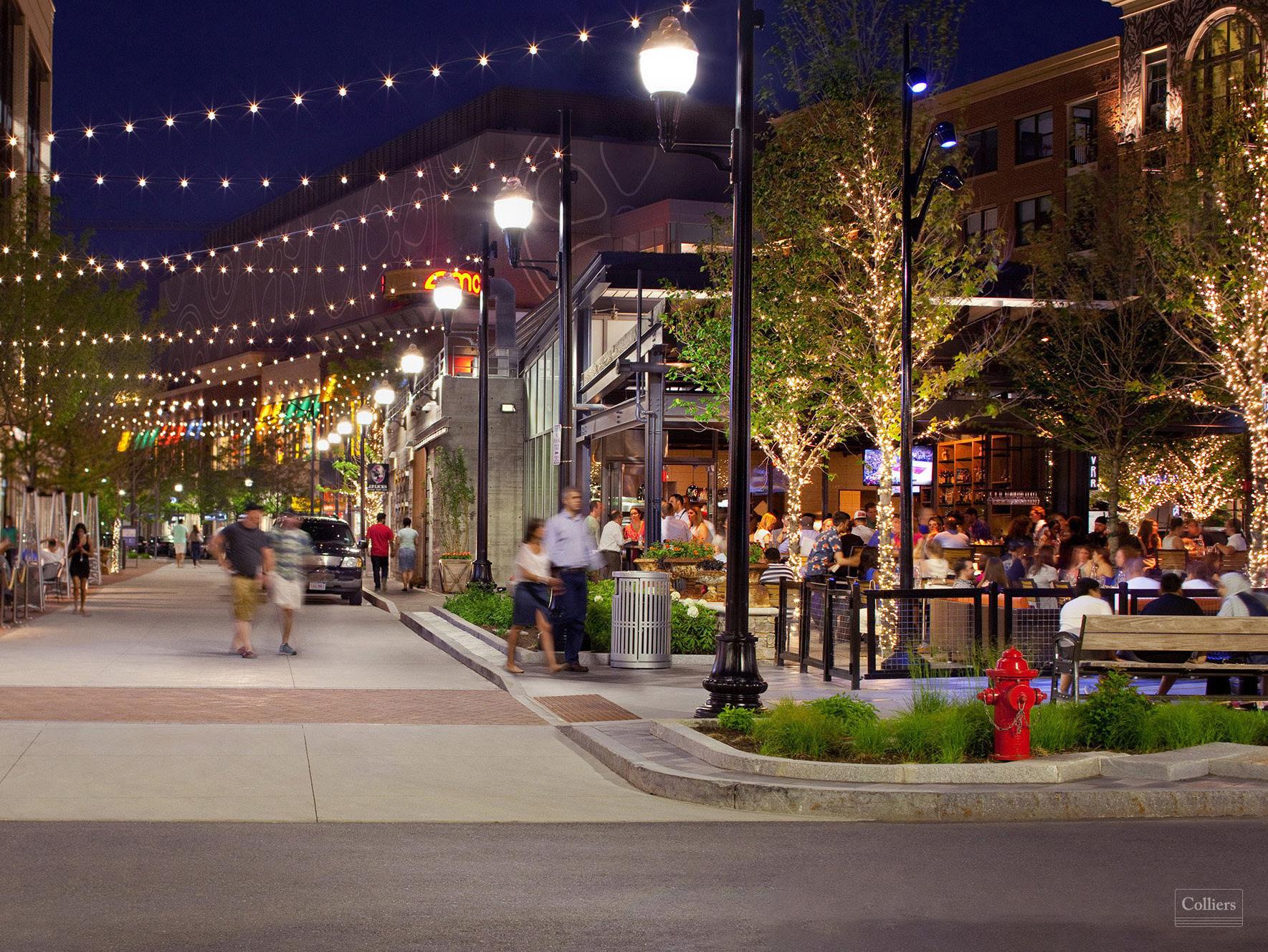
The downtown around New York Avenue and Main Street carries a restaurant and boutique retail scene tied to Huntington Harbor's marina traffic and a strong local dining reputation, property here trades on foot traffic and seasonal patio revenue as much as square footage. Cold Spring Harbor, just to the west, adds a small amount of similarly styled retail and office space with its own whaling-era village character.
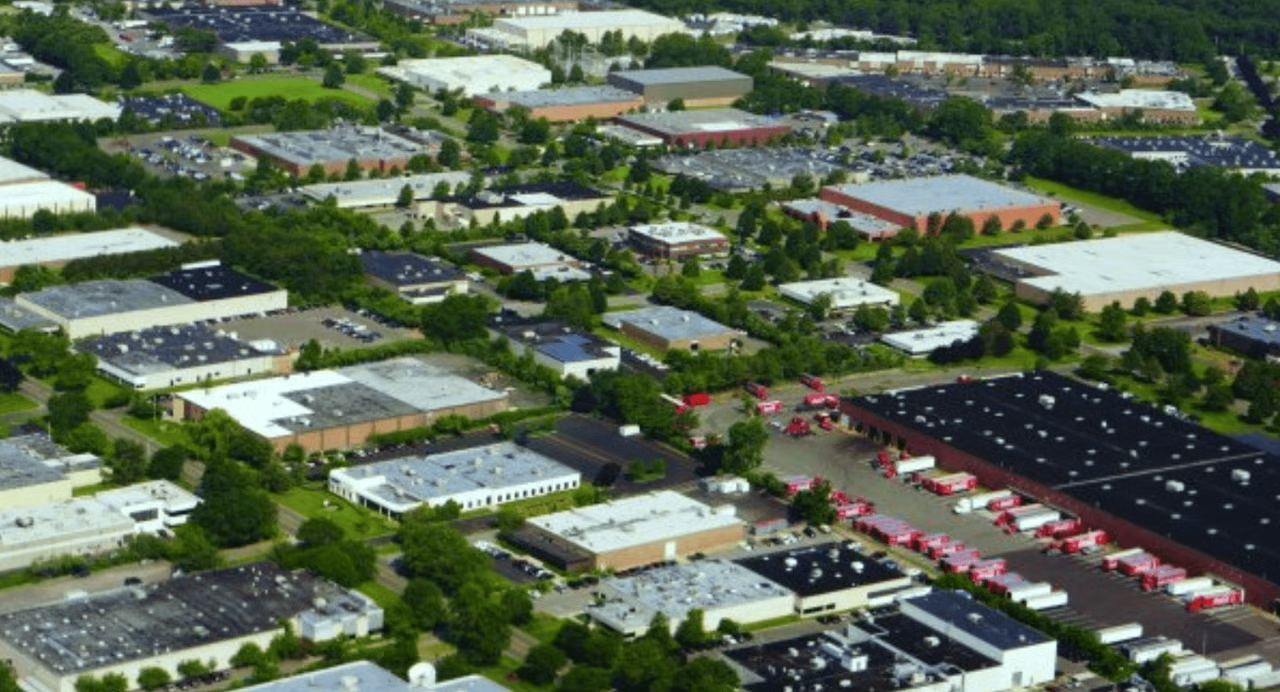
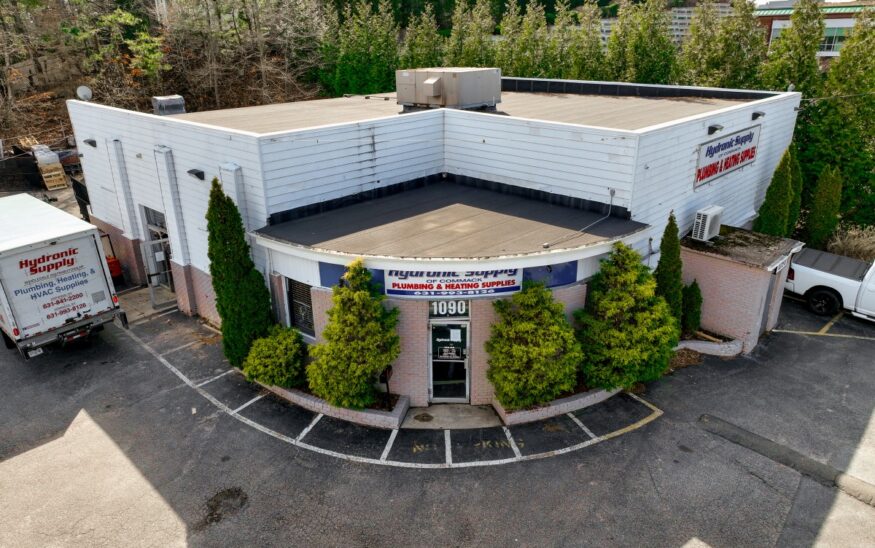
Huntington Station and the Route 110 corridor running south toward Melville hold a completely different mix, office buildings, big-box retail, and service commercial aimed at car traffic rather than pedestrians. That corridor has also been the subject of long-running local redevelopment discussion, which is worth checking on before committing to a specific parcel.
Huntington's downtown also draws steady weekend traffic from surrounding hamlets that don't have their own restaurant districts, which supports rents on the harbor side even when broader retail conditions elsewhere on Long Island are soft. That draw doesn't extend much past the immediate downtown blocks, though.
Parking is a real constraint downtown, since the historic street grid wasn't built with modern car volume in mind, and the town has experimented with municipal lots and paid parking to manage it. A restaurant tenant's actual customer experience often depends more on nearby parking availability than on the building itself.
Replacement Property Types
Depending on which side of town you're looking at, a Huntington exchange candidate might be:
- harbor-area restaurant or boutique retail
- downtown mixed-use with office or apartments above
- Route 110 corridor office space
- big-box or service retail near Huntington Station
- light industrial or flex space along the 110 corridor
Identification Strategy Across Two Submarkets
Because the harbor village and the Route 110 corridor are such different products, most Huntington exchanges we coordinate identify at least one candidate from each rather than staying inside a single submarket. That naturally pushes toward the 95% rule when the list runs past three properties.
Walt Whitman's birthplace, a state historic site in South Huntington, sits near enough to some Route 110 parcels that any development-adjacent property should be checked for historic or scenic easement restrictions before it goes on your identification list.
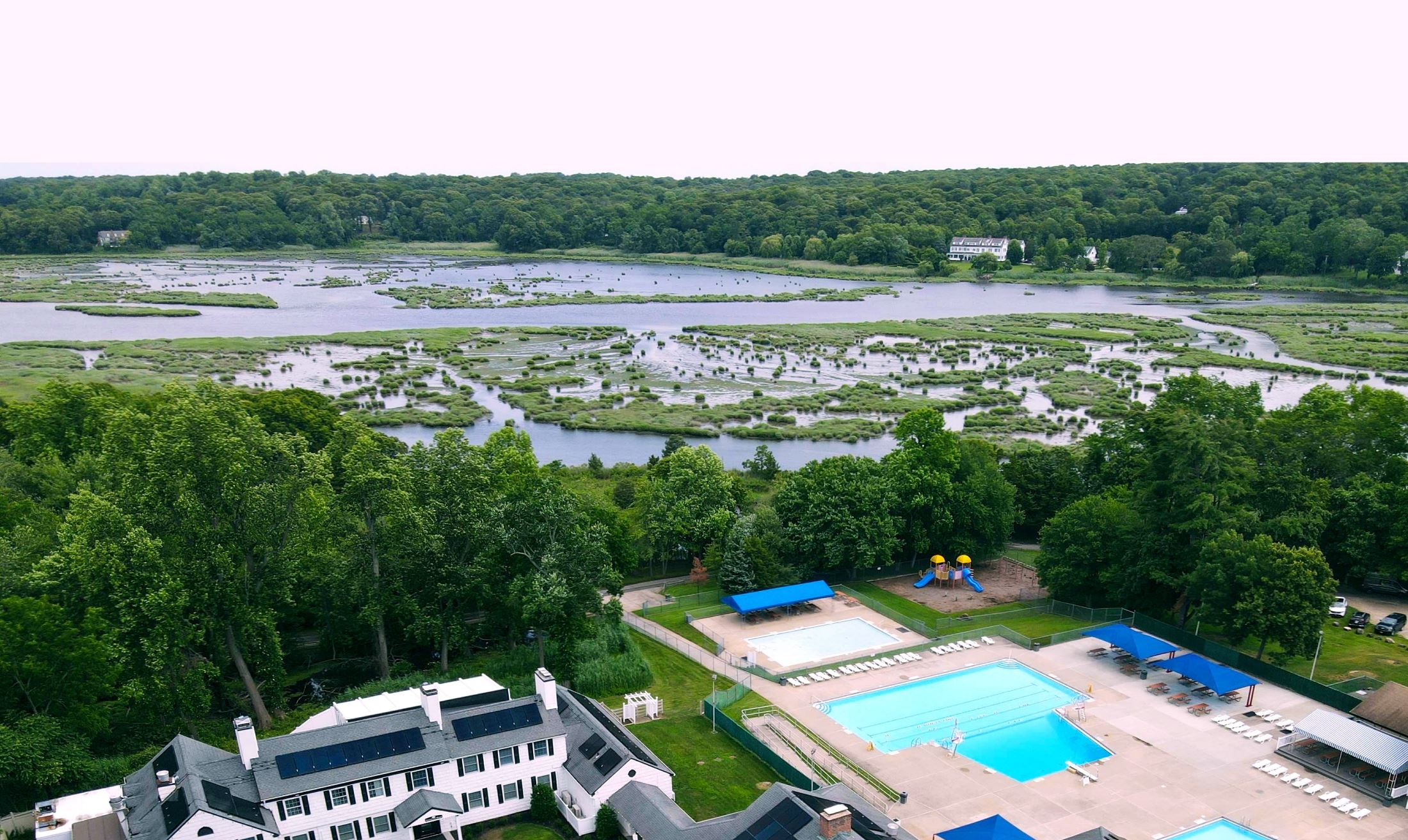
Cold Spring Harbor adds a third, smaller data point to the comparison for owners willing to widen the search. Its whaling-era village character supports a modest amount of specialty retail and office space, priced closer to the harbor village than to the Route 110 corridor, but with even less inventory turnover than either.
Whichever of the three areas you lean toward, treat them as separate research tracks rather than one Huntington-wide search, since the tenant pools, lease structures, and financing expectations differ enough that lumping them together tends to slow down the identification process rather than speed it up.
Timing Notes
Harbor village retail leases tend to run shorter and include more percentage-rent structures tied to seasonal sales, while Route 110 corridor leases run longer and more conventionally. Build both lease types into your underwriting before the 180-day exchange period gets tight, since they don't reconcile the same way on a single spreadsheet.
Give yourself extra runway if your identification list includes a harbor village property, since restaurant tenants are often reluctant to provide detailed sales figures during their busiest months, and that reluctance can slow down the estoppel process right when you need it moving fastest.
What a Combined Identified List Looks Like in Practice
A typical mixed identification for a Huntington exchange might pair one harbor-area retail building, where the appeal is location and dining reputation, with one Route 110 office or flex property, where the appeal is a longer, more conventional lease. That gives the owner two genuinely different risk profiles to weigh before day 45.
It also means gathering two different documentation sets on the same timeline, percentage-rent lease detail and seasonal sales history for the harbor candidate, standard rent roll and tenant financials for the Route 110 candidate, which takes more coordination than a single-submarket exchange.
Common 1031 Exchange Questions
Is Huntington's harbor village retail a stable 1031 replacement?
It can be, but percentage-rent leases tied to seasonal sales make the income harder to underwrite than a flat-rent Route 110 corridor lease, so plan your diligence accordingly and request several years of sales history.
What's different about Route 110 corridor property?
It's built for car traffic rather than pedestrians, with office buildings, big-box retail, and service commercial that trade on more conventional lease terms than harbor village retail.
Should you check for historic site restrictions before identifying a Huntington property?
Yes, particularly near South Huntington, where proximity to the Walt Whitman birthplace state historic site can affect what a parcel is allowed to do or build.
How many properties do most Huntington exchanges identify?
Often more than three, since comparing the harbor village against the Route 110 corridor means looking at two genuinely different products before narrowing the list.
Has the redevelopment discussion around Huntington Station affected property values?
It's been an ongoing local conversation for years, and it's worth checking current status before treating any specific parcel's upside as settled or already priced in.