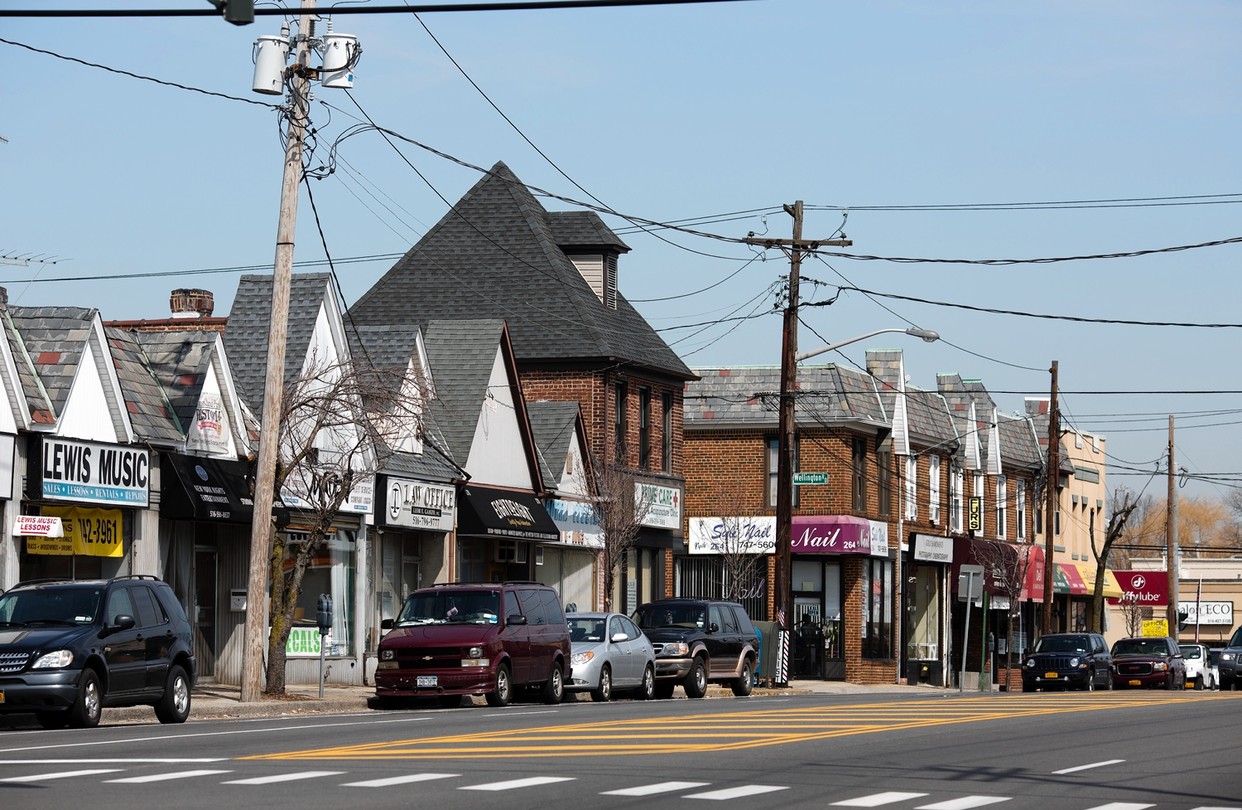
Like-kind property is one of the most misunderstood phrases in a 1031 exchange, mostly because it sounds like it should mean similar property, and it doesn't. Since the 2017 tax law changes, Section 1031 applies only to real property held for investment or business use, and within that category, like-kind is read broadly. An apartment building can exchange into raw land. A retail strip can exchange into an industrial warehouse. What matters is the nature of the ownership interest and the qualifying use, not the physical similarity between the two properties.
What Qualifies as Real Property Today
Real property under current law includes land and anything permanently attached to it: office buildings, retail centers, industrial and warehouse space, apartment and multifamily buildings, self-storage facilities, medical office buildings, single-tenant net-lease retail, agricultural land, and undeveloped land held for investment. It also extends to certain interests in real property, including a leasehold with 30 years or more remaining and, for many DST structures, a beneficial interest in real estate held in trust. The property has to be held for investment or for use in a trade or business; a primary residence generally does not qualify, and neither does property held primarily for resale, such as a builder's inventory.
What No Longer Qualifies
Before 2018, like-kind exchanges could include certain personal and intangible property, such as aircraft, equipment, franchise licenses, or artwork. That is no longer true. Only real property qualifies for 1031 treatment now, and personal property sold alongside real estate, such as furniture, fixtures, and equipment sold with a hotel or apartment building, is treated as a separate, taxable sale even when it closes in the same transaction. Investors selling a property that includes a meaningful amount of personal property need that value carved out and priced separately, since it cannot ride along inside the exchange.
How Broad the Real Property Category Actually Is
The breadth of qualifying real property is what gives Long Island investors room to change strategy through an exchange rather than simply replacing what they sold. An owner exchanging out of an older Nassau apartment building doesn't have to buy another apartment building; the proceeds can move into a Route 110 corridor industrial asset, a Northwell-adjacent medical office building, a single-tenant retail property, or a DST allocation spread across several property types entirely outside the region. That flexibility is the mechanism, not a workaround, and it's part of why exchanges get used for portfolio repositioning as often as they get used for a straight replacement. A leasehold interest with a remaining term of 30 years or more also qualifies as real property, which occasionally matters for an investor considering a long-term ground lease position rather than fee simple ownership, though most Long Island exchangers end up in fee simple replacement property or a DST allocation instead.
Where Investors Get This Wrong
Assuming a foreign property could work as a replacement is a common mistake; U.S. real property and foreign real property are not like-kind to each other under the tax code, so a Long Island investor cannot exchange domestic property into an overseas purchase. Treating a short-term flip or a builder's spec inventory as exchange-eligible is another, since property held primarily for resale rather than for investment or business use falls outside Section 1031 regardless of how long it was technically owned. And assuming personal property tied to a sale, like equipment inside a self-storage facility, rides along automatically inside the exchange is a mistake that shows up on a tax return, not before.
Common 1031 Exchange Questions
Does like-kind mean you have to buy the same type of property you sold?
No, like-kind is defined broadly for real property. An apartment building can exchange into industrial space, retail can exchange into medical office, and land can exchange into an improved building, as long as both properties are real property held for investment or business use.
Can you do a 1031 exchange on equipment or business assets anymore?
No, since 2018 only real property qualifies for 1031 treatment. Personal property such as equipment, vehicles, and franchise licenses no longer qualifies, even if it was eligible under prior law.
Does your primary residence qualify for a 1031 exchange?
Generally no, a primary residence is not held for investment or business use, so it falls outside Section 1031. A separate provision, the home sale exclusion, addresses gain on a primary residence instead.
Can you exchange a Long Island property for real estate in another state?
Yes, like-kind real property can be located anywhere within the United States. Location does not affect whether two properties are like-kind, only whether both are qualifying real property held for investment or business use.
What about personal property sold along with a building, like furniture or equipment?
That value is treated as a separate taxable sale and does not qualify for 1031 deferral, even when it closes as part of the same overall transaction. It generally needs to be priced and accounted for separately from the real property being exchanged, and a purchase agreement that lumps a real property price together with furniture, fixtures, and equipment without an allocation can create confusion at tax filing time that a clean allocation would have avoided.