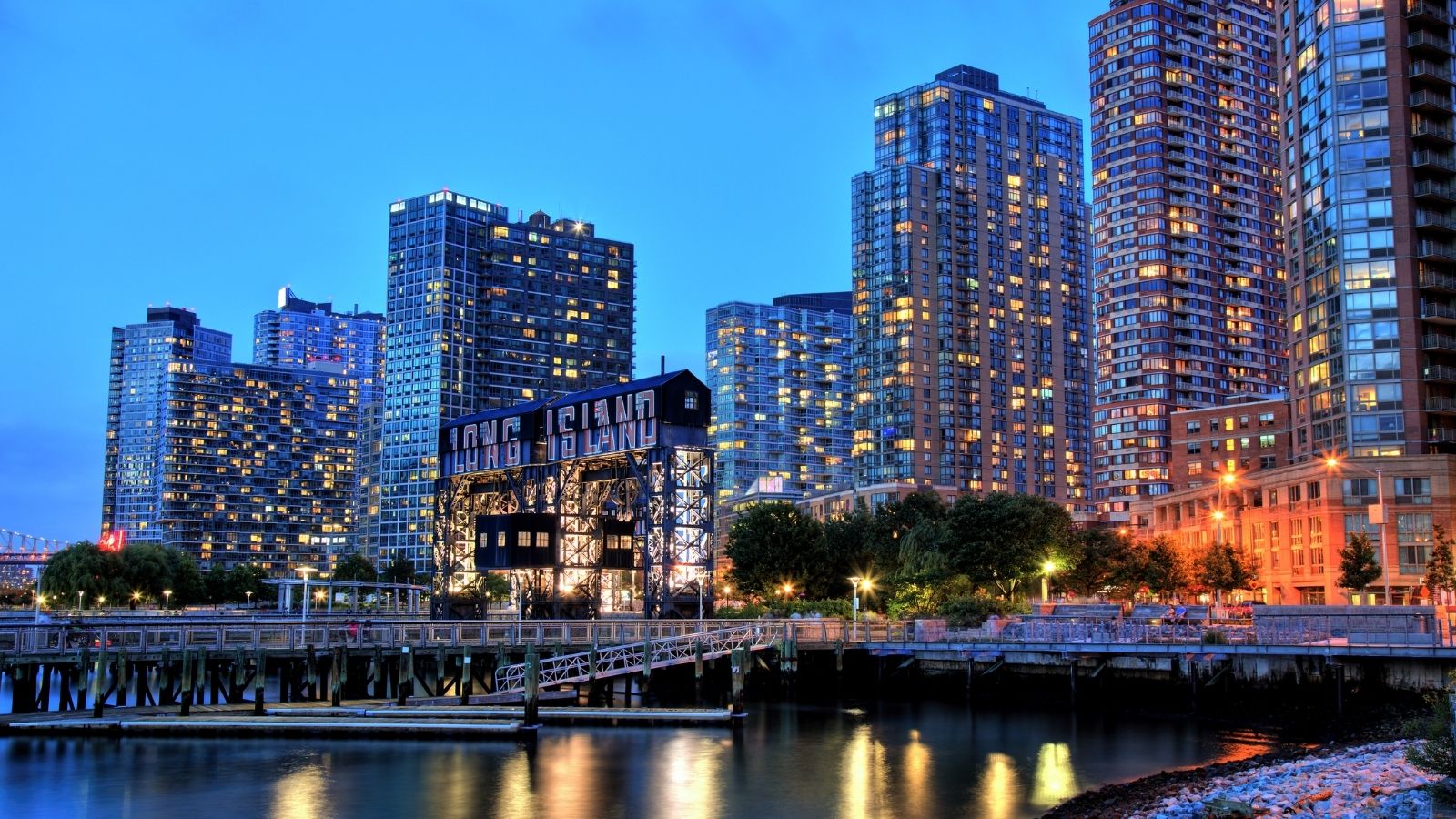
A reverse exchange flips the usual order of a 1031: the replacement property closes before the relinquished property sells. It exists for a simple, common problem. A Long Island investor finds a strong replacement property, but the buyer for the property they're selling isn't ready to close, or hasn't been found at all. Rather than lose the replacement opportunity waiting on the sale side, a reverse exchange lets the investor secure it first, using a structure built specifically to keep title out of the investor's own hands until the exchange is complete.
Why Title Can't Sit With the Investor
The tax code does not allow an investor to hold title to both the relinquished and replacement properties at the same time and still complete a valid exchange under the standard rules. A reverse exchange solves this through an exchange accommodation titleholder, a separate entity that holds title to either the replacement property or the relinquished property, under a qualified exchange accommodation arrangement, while the rest of the transaction catches up. The investor never technically owns both properties simultaneously; one of them sits with the accommodation titleholder for the duration of the parking period.
How the Parking Arrangement Actually Works
In the more common structure, the exchange accommodation titleholder takes title to the replacement property first, often using financing the investor arranges or guarantees, while the investor continues marketing and eventually closes the sale of the relinquished property. Once that sale closes, proceeds flow through a qualified intermediary and the replacement property is transferred from the accommodation titleholder to the investor, completing the exchange. The less common version parks the relinquished property with the titleholder instead, letting the investor close on the replacement property immediately while a buyer is found for the property being sold.
The Deadlines Still Apply, on a Different Clock
A reverse exchange still runs on 45 and 180-day windows, but they measure from the date the accommodation titleholder takes title, not from a relinquished property closing. Within 45 days, the investor has to identify which property will be treated as relinquished, and within 180 days from the parking transaction, the full exchange has to be completed, meaning the parked property is sold or transferred out. Those deadlines run just as strictly as a standard exchange's do, and missing them unwinds the safe harbor protection the parking arrangement depends on. Because the clock starts at parking rather than at a sale closing, an investor going into a reverse exchange knows the exact date both deadlines land on before the transaction even begins, which gives more certainty on the front end than a standard exchange typically offers.
Where This Fits on Long Island
Reverse exchanges tend to come up when an investor spots a strong opportunity, an off-market industrial building near Hauppauge or a well-leased retail property on Sunrise Highway, and can't afford to wait on a buyer for their current property to be lined up first. They also come up when a sale is under contract but complicated by an attorney review dispute or a lender delay that threatens to push closing past a replacement seller's patience. Because a reverse exchange requires financing or enough liquidity to carry the parked property, sometimes for months, it tends to suit investors with stronger balance sheets or lender relationships already in place, rather than an exchanger working right at the edge of their capital. It's worth noting that a reverse exchange doesn't change what qualifies as replacement property or how boot is calculated; it only changes the order and the parking mechanism used to get there, so every other exchange rule, from identification requirements to debt matching, still applies once the structure is in place.
Common 1031 Exchange Questions
Why can't you just buy the replacement property and sell your old one whenever you're ready?
Doing that without a reverse exchange structure means you'd own both properties at once, which the tax code does not allow within a standard 1031 exchange. The accommodation titleholder arrangement exists specifically to avoid that by keeping one property's title separate from the investor during the transition.
How long can a property stay parked with the accommodation titleholder?
Up to 180 days under the safe harbor arrangement. The exchange has to be fully completed, meaning the parked property is transferred to its final owner, within that window measured from the date it was parked.
Do you need financing to do a reverse exchange?
Often, yes. Since the accommodation titleholder typically needs to acquire the replacement property before the relinquished sale closes, the investor usually arranges or guarantees financing for that purchase, or has enough liquidity to fund it directly.
Is a reverse exchange more expensive than a standard exchange?
Generally, yes. The accommodation titleholder structure requires additional legal and administrative work compared to a standard deferred exchange, and financing costs for the parked property add to the total cost of the transaction.
Can you use a reverse exchange if you haven't sold your current property yet?
That's exactly the situation a reverse exchange is built for. It lets an investor secure a replacement property before a buyer is lined up for the property being sold, as long as the parking arrangement and deadlines are structured correctly from the start.