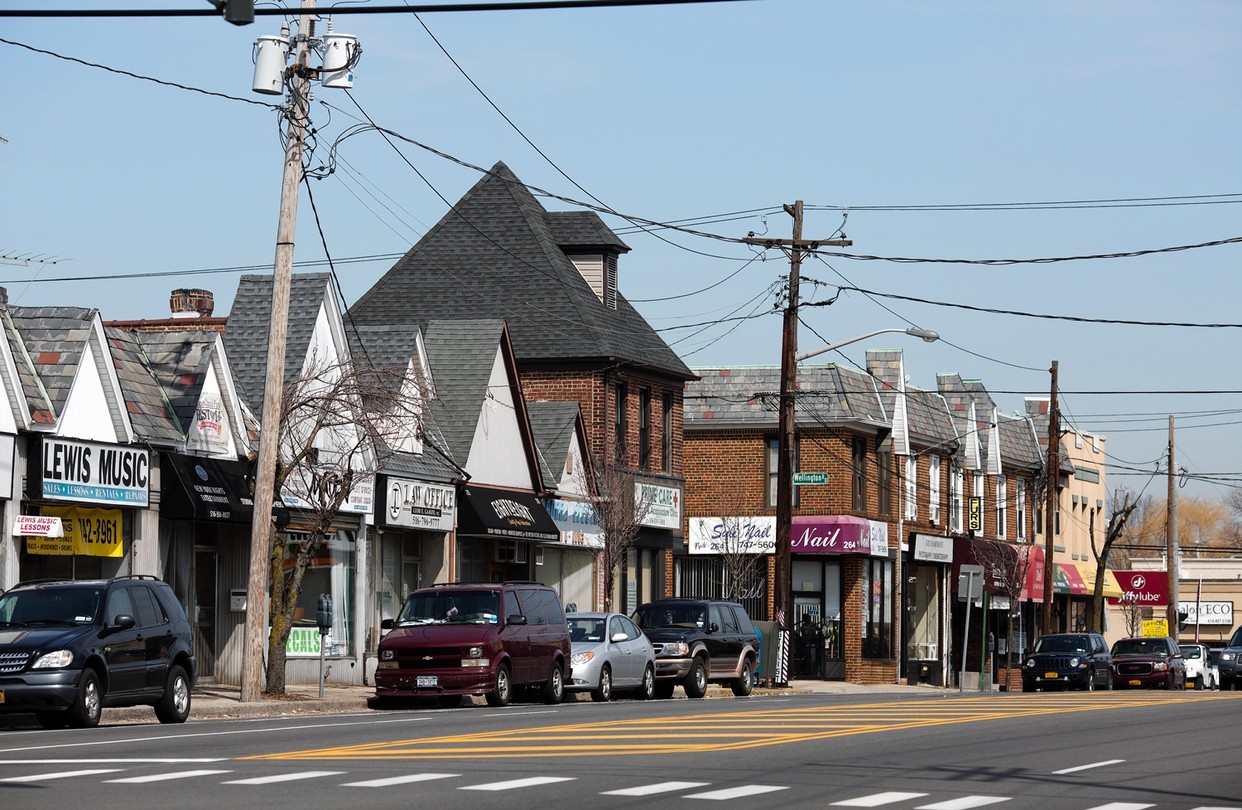
Sometimes the replacement property an investor wants isn't quite worth enough on its own, and construction or tenant buildout is what closes the gap. That's an improvement exchange, and it works differently from a straight purchase because the IRS won't let an investor build improvements on their own replacement property mid-exchange without a specific structure in place first.
What an Improvement Exchange Actually Does
Because the investor can't yet own the replacement property outright while the exchange is still open, an exchange accommodation titleholder holds title to it during construction. Improvements get built, or a tenant buildout gets completed, while that titleholder is on record, and the value of that work counts toward satisfying the exchange as long as it's substantially completed and in place by the deadline. This lets an investor turn a property that's underpriced relative to what they sold into one that's worth enough once the work is done.
Long Island Situations Where This Comes Up
- a retail box that needs a buildout before it matches the required replacement value
- an industrial building along the Route 110 corridor needing dock or power upgrades
- a medical suite needing tenant improvements for a Northwell-affiliated practice
- a multifamily building near an LIRR stop needing unit renovations to reach full value
Why 180 Days Is a Hard Stop for Construction
Unlike a typical renovation project where a delayed finish date is just an inconvenience, an improvement exchange has a real deadline attached to the work itself. Whatever counts toward the replacement value has to be substantially complete, or contracted and installed, by day 180, not merely underway. Work that finishes on day 190, even if the contract was signed on day 20, doesn't count toward the exchange, and that shortfall can create taxable boot equal to the gap.
Who Holds Title While Work Happens
The exchange accommodation titleholder holds legal title to the replacement property for the duration of the construction period, usually under an agreement where the investor still manages the actual work day to day. At or before the 180-day deadline, title transfers from the accommodation titleholder to the investor, completing the exchange. The paperwork around this arrangement needs to be in place before construction starts, not arranged after ground has already been broken.
Where Improvement Exchanges Go Sideways
Underestimating how long permitting and inspections take across Long Island's town and village building departments is the most common problem; a project that would move quickly elsewhere can sit waiting on an inspection slot. Construction delays of any kind, whether from a contractor, a supply issue, or weather, push completion closer to day 180, and there's no extension for construction running behind schedule. And assuming a partially finished buildout still counts at its full contracted value is a mistake; only the work actually completed by the deadline counts toward the exchange.
Coordinating the EAT Agreement With the Contractor
The agreement between the investor and the exchange accommodation titleholder should be signed before any contractor breaks ground, not drafted after work has already started. That agreement typically spells out who directs the construction day to day, how draws get released against the improvement budget, and what happens if the project runs over budget or behind schedule. A contractor who isn't told upfront that title sits with an accommodation titleholder, rather than the investor directly, can create confusion over who actually has authority to approve change orders or sign off on completed work.
On Long Island projects, where permitting and inspection scheduling already eat into the available time, getting this paperwork settled early frees up the construction team to focus on the actual work instead of resolving title and authority questions midway through the job. A short weekly check-in between the investor, the accommodation titleholder, and the contractor, even a fifteen-minute call, tends to catch a slipping schedule long before it becomes a genuine threat to the 180-day deadline.
Common 1031 Exchange Questions
Why can't you just improve the replacement property yourself during the exchange?
The IRS treats a property the investor already owns as disqualified from further exchange treatment, so an exchange accommodation titleholder has to hold title while the work is done. Once the improvements are complete and title transfers to the investor, the exchange is finished.
What happens if construction isn't finished by day 180?
Only the value of work actually completed, or contracted and installed, by day 180 counts toward the exchange. Anything unfinished at that point doesn't count, which can create boot equal to the shortfall in value.
Can you manage the construction yourself even though the EAT holds title?
In most improvement exchange arrangements, yes, the investor typically manages the actual construction work under an agreement with the accommodation titleholder. The titleholder's role is holding legal title, not running the job.
Is an improvement exchange riskier than a standard purchase exchange?
It carries more timing risk because construction schedules are harder to guarantee than a straightforward closing date. Permitting delays specific to Long Island's town and village processes are a real factor worth planning around early.
Does this work for a small tenant buildout, or only major construction?
It can apply to a smaller tenant improvement project just as it does to larger construction, as long as the structure with the exchange accommodation titleholder is set up correctly before work begins. The size of the project changes the numbers, not the underlying mechanics.