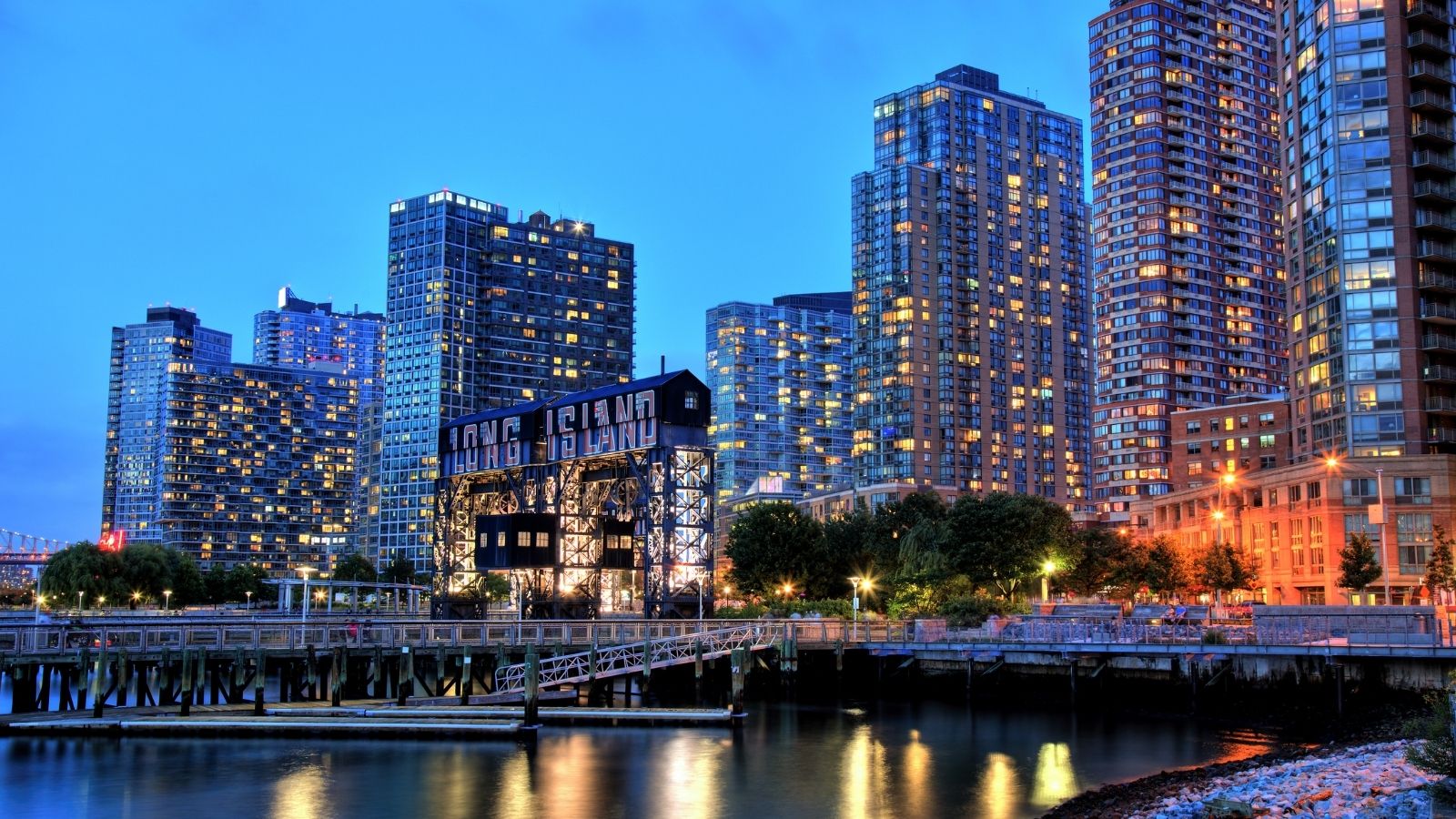
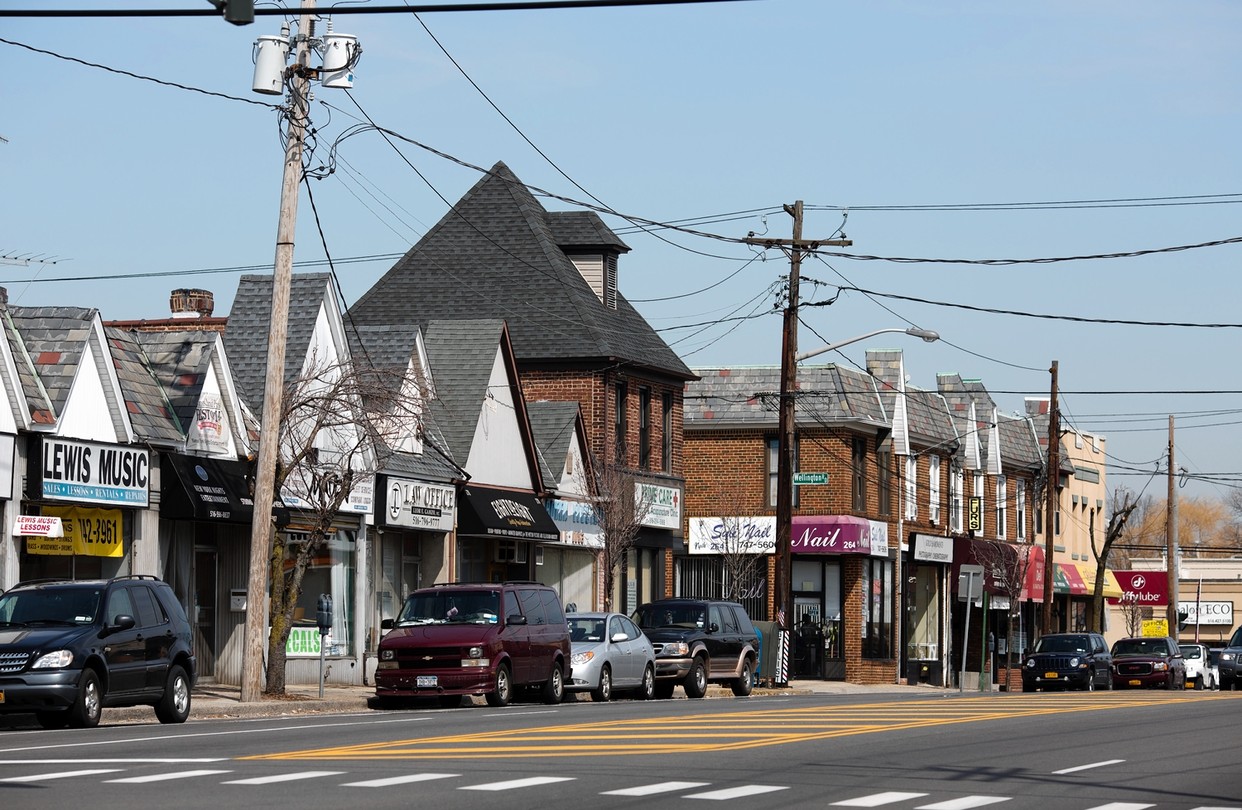
Patchogue is a working waterfront village that reinvented its Main Street, and two economies sit right on top of each other here: the downtown arts-and-restaurant district and the Great South Bay ferry traffic.
Main Street After The Theatre Reopened
The Patchogue Theatre for the Performing Arts anchors a stretch of Main Street that has filled back in with restaurants, bars, and small retail over the last two decades, many of them in older two- and three-story buildings with apartments or offices on the upper floors.
Vacancy here tracks the restaurant business more than the office market. Watch for liquor license transfers and outdoor seating permits; they tell you more about a tenant's staying power than the lease term does.
Upper-floor space above these Main Street storefronts is a mixed bag: some has been converted to modern apartments, some is still raw storage space from decades of underuse. Ask specifically what's happening above any ground-floor retail space you're considering, since that upper-floor condition affects both value and any required capital improvements.
The Fire Island Ferry Terminal's Seasonal Pull
Patchogue is one of the mainland departure points for Fire Island communities like Davis Park, and that ferry traffic drives a seasonal spike in foot traffic near the waterfront that doesn't show up the rest of the year.
Commercial buildings close to the terminal and the Patchogue River waterfront lean hard on summer weekends. Underwrite them on twelve months of actual receipts, not a July snapshot.
Parking near the terminal fills up fast on summer weekends too, which affects any retail or restaurant space competing for the same foot traffic. A property with its own dedicated parking has a real edge over one that relies on street spots during ferry season.
What's In The Replacement Pool
Patchogue's commercial stock breaks down into a handful of recognizable types.
- Mixed-use buildings on Main Street with retail below and residential above
- Restaurant and bar space near the theatre district
- Small apartment buildings within walking distance of downtown
- Waterfront commercial near the Patchogue River and ferry terminal
- Strip retail along Sunrise Highway
Every one of these categories shows up in an actual Patchogue search at some point, and the right mix depends on how much active management you want after the exchange closes. A waterfront building with restaurant tenants demands more landlord attention than a small apartment building three blocks inland, even if the headline returns look similar on paper.
Seasonality And The 45-Day Window
If you're comparing a waterfront or ferry-adjacent Patchogue building against an inland alternative, remember that seasonal revenue makes rent rolls harder to verify quickly.
Ask for trailing twelve-month financials up front, in writing, so you're not waiting on a seller to compile them while your identification deadline closes in. That paperwork delay is the most common reason a good Patchogue deal misses the 45-day cutoff and forces a scramble for a backup at the last minute.
Small Buildings, Real Numbers
Most of what trades in downtown Patchogue is small, often a single building with three or four tenants. That's fine for a 1031 replacement as long as the debt and equity you're putting into it line up with what you sold.
Undersized replacement value creates boot, and boot is taxable no matter how much you liked the location. Keep the qualified intermediary in control of the sale proceeds the whole way through.
We've also seen Patchogue buyers get excited about a Main Street address and skip verifying whether the upper floors were actually leased and generating income, only to find vacant apartments above a full storefront. Confirm income on every floor of a mixed-use building, not the ground level alone, and get certificates of occupancy for any upper-floor residential unit before you count that rent as reliable.
Common 1031 Exchange Questions
Does a seasonal, ferry-adjacent building work as 1031 replacement property?
Yes, tourism-driven revenue doesn't disqualify a property. It just means you should underwrite on trailing twelve-month numbers instead of a strong-season snapshot, since ferry and beach traffic inflate summer receipts well beyond what the property earns the rest of the year.
What should you check on a Main Street mixed-use building before identifying it?
Separate the residential and commercial leases and check them individually. Liquor licenses and outdoor seating permits for restaurant tenants are a better read on staying power than the lease term alone, especially in the theatre district where turnover tends to be higher.
How does the three-property rule apply if you're only interested in downtown Patchogue?
You can identify up to three properties regardless of value under that rule, so naming a Main Street building alongside a waterfront property and a Sunrise Highway retail parcel keeps your options open if one deal slows down before the 45-day deadline.
Who actually receives the sale proceeds during the exchange?
Your qualified intermediary, not you. The QI holds the funds from the relinquished property sale and applies them to the replacement purchase; taking possession yourself even briefly is constructive receipt and disqualifies the exchange.
What should you know about upper-floor apartments above Main Street retail?
Condition and occupancy vary a lot building to building. Some upper floors have been renovated into modern apartments, others are still raw storage space left over from years of underuse. Confirm actual leased status and condition before you count that income toward your replacement value.