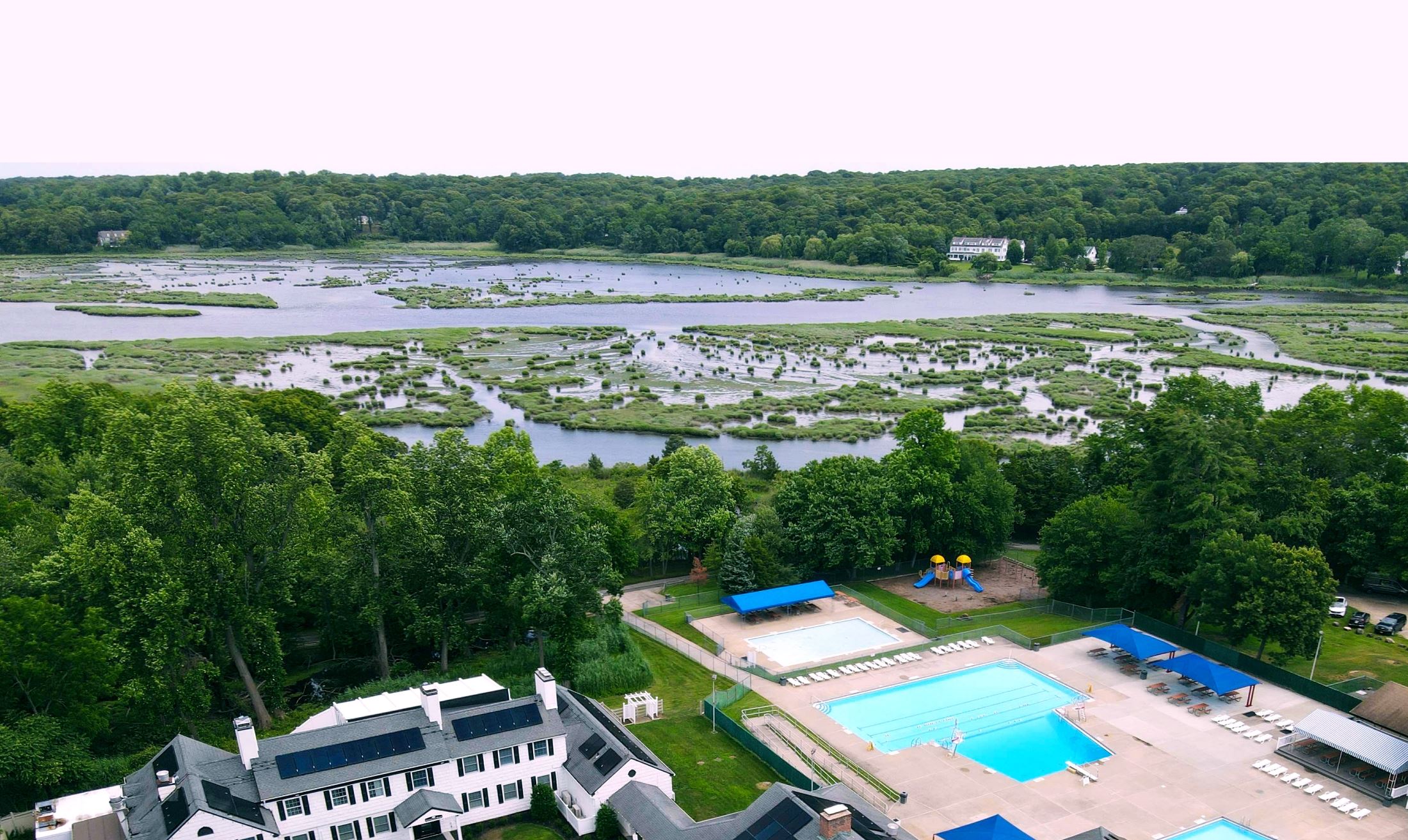
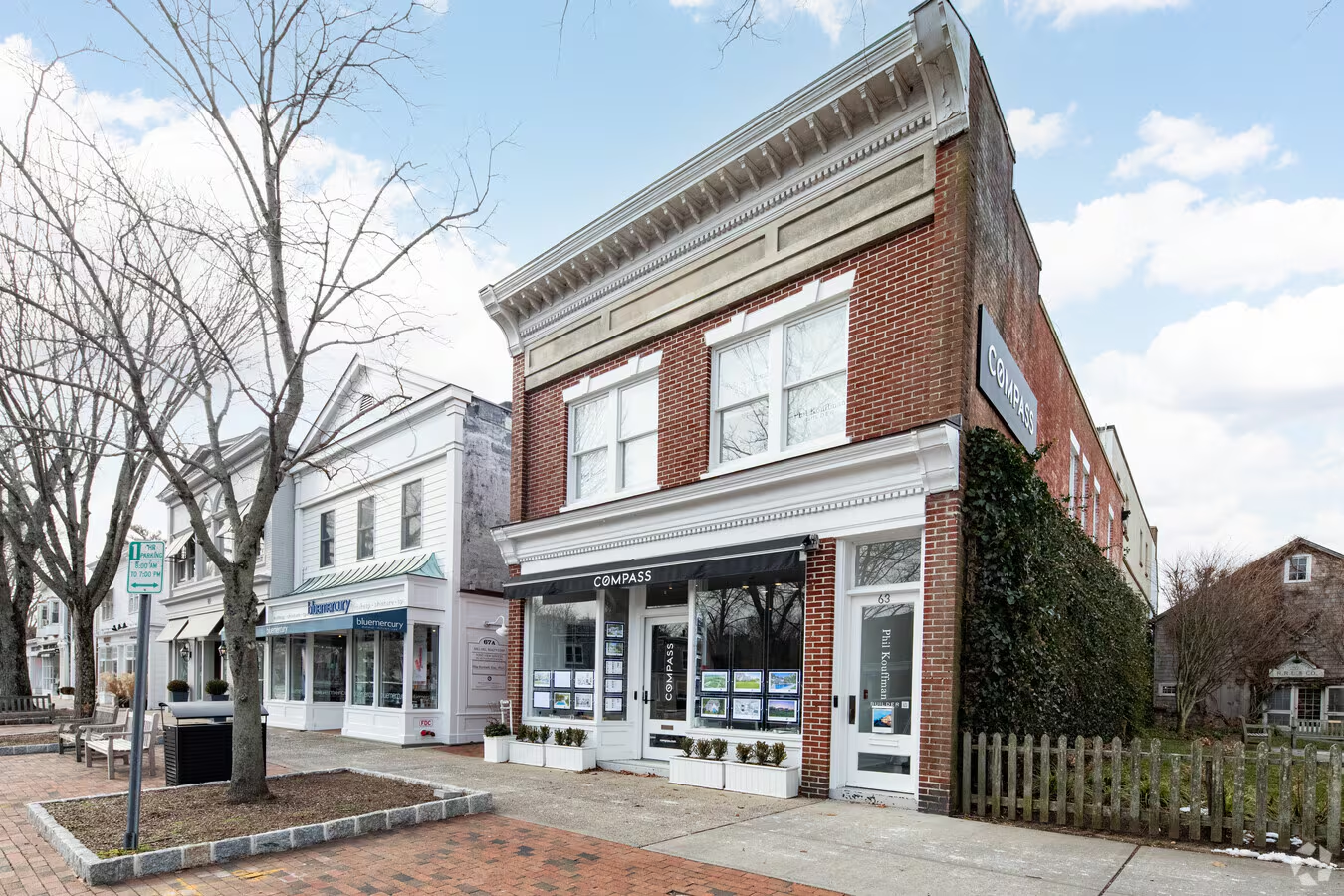
Babylon sits at the end of the LIRR's Babylon branch, a South Shore village set along the Great South Bay and the Robert Moses Causeway. Owners exchanging out of waterfront, retail, or apartment property here are usually comparing a small, tight local market against a wider Suffolk County replacement list, and the two markets don't always move at the same pace.
What Trades in Babylon
The village downtown along Deer Park Avenue and Montauk Highway carries small retail buildings, storefront mixed-use, and a handful of professional office conversions in older homes. Waterfront parcels near the marinas and along the Gilgo-facing shoreline see less turnover, and when they do trade, pricing tracks slip capacity, bulkhead condition, and flood zone designation as much as square footage. The village sits close enough to the Amityville line that some buyers treat the two downtowns as a single comparison set rather than separate markets.
West Babylon and North Babylon, on the industrial side of Sunrise Highway and Route 109, carry the flex and light-service buildings that come up more often as replacement candidates, because the paperwork on a leased single-tenant industrial building is simpler to assemble inside a 45-day window than a marina with seasonal slip income. Route 109 also carries a run of big-box and service retail that trades on more conventional commercial terms than anything closer to the water.
Property Types We See
A Babylon exchange file usually lands in one of a few buckets:
- village mixed-use with ground-floor retail
- waterfront commercial with marina or slip income
- light industrial and flex space off Sunrise Highway
- garden-style apartment buildings near the LIRR station
- single-tenant net lease retail along Deer Park Avenue or Route 109
Identification Timing on the South Shore
The 45-day identification window doesn't move because a property sits on the water. If the replacement candidate is a marina or waterfront parcel, get flood zone documentation and any DEC tidal wetlands permit history requested before day one, not after the identification list is due. A qualified intermediary can hold funds and prepare the identification paperwork, but they aren't going to chase down bulkhead permits or DEC records for you.
Most Babylon exchanges we coordinate use the three-property rule rather than the 200% or 95% rule, because owners exchanging out of a single waterfront asset are usually comparing it against two or three inland alternatives rather than assembling a long list of small parcels. That keeps the identification paperwork manageable inside the 45-day window.
Backup Market Logic
When a Babylon waterfront deal slows over title or DEC questions, the practical move is to keep a backup candidate identified in Islip or Patchogue, where closing mechanics are more conventional and don't depend on a single agency's permit turnaround. That's what the three-property rule is for.
Owners moving out of Babylon retail into a DST or larger NNN structure should still confirm boot exposure with their tax advisor before signing anything, particularly if the sale price is higher than what's available in comparable replacement inventory nearby. A gap between sale proceeds and replacement value is exactly the kind of thing that turns into taxable boot if it isn't planned for.
Documentation Owners Should Gather Early
Before you list a Babylon waterfront or retail property for sale, pull the certificate of occupancy, any DEC tidal wetlands permit, and the most recent flood insurance rate map designation for the parcel. These documents rarely change quickly, but assembling them after your 45-day clock has started just eats into time you'd rather spend reviewing replacement candidates.
For inland Babylon industrial or flex buildings, the equivalent list is a current lease abstract, a Phase I environmental screening if the tenant history includes any manufacturing use, and confirmation of parking counts against the Town of Babylon's zoning code. None of this is exotic, but it has to happen on a schedule that respects the 180-day exchange period, not around it.
Common 1031 Exchange Questions
How does Babylon's waterfront zoning affect a 1031 timeline?
Bulkhead and DEC tidal wetlands permit records take longer to pull than standard title work, so we recommend requesting them the same week you sell, not after the 45-day clock starts. Waiting on that paperwork is the most common reason a Babylon waterfront exchange runs tight on time.
Are there enough replacement properties inside Babylon itself?
Not always. Village inventory turns over slowly, so most exchange files pair a Babylon candidate with one or two options in a neighboring Suffolk County town like Islip or Patchogue to keep the identification list realistic.
Does the LIRR station affect which properties trade here?
Yes, multifamily and mixed-use buildings within walking distance of the Babylon station see steadier interest than properties requiring a car for daily errands, and that gap shows up in both pricing and time on market.
What happens if your Babylon sale closes before you've picked a replacement?
The 45-day identification window starts at closing regardless of readiness, which is why we push owners to start reviewing candidates before the sale closes rather than waiting for the wire to land.
Can you combine a Babylon retail exchange with a DST allocation?
Yes, a DST can serve as one of your identified replacement properties, though your tax advisor should confirm the fit for your specific exchange structure and how it interacts with any other identified candidates.